The World Bank is forecasting broadly stable — and gradually rising — prices for most industrial metals through 2026 and 2027, underpinned by modest demand growth and increasingly tight supply conditions, even as global economic risks linger.
In its latest commodities outlook, the Washington-based institution said its metals and minerals price index edged up 0.5% in November, following a 6% jump in October and a 4% increase during the third quarter of 2025. The index tracks six nonferrous metals — aluminum, copper, lead, nickel, tin and zinc — along with iron ore.
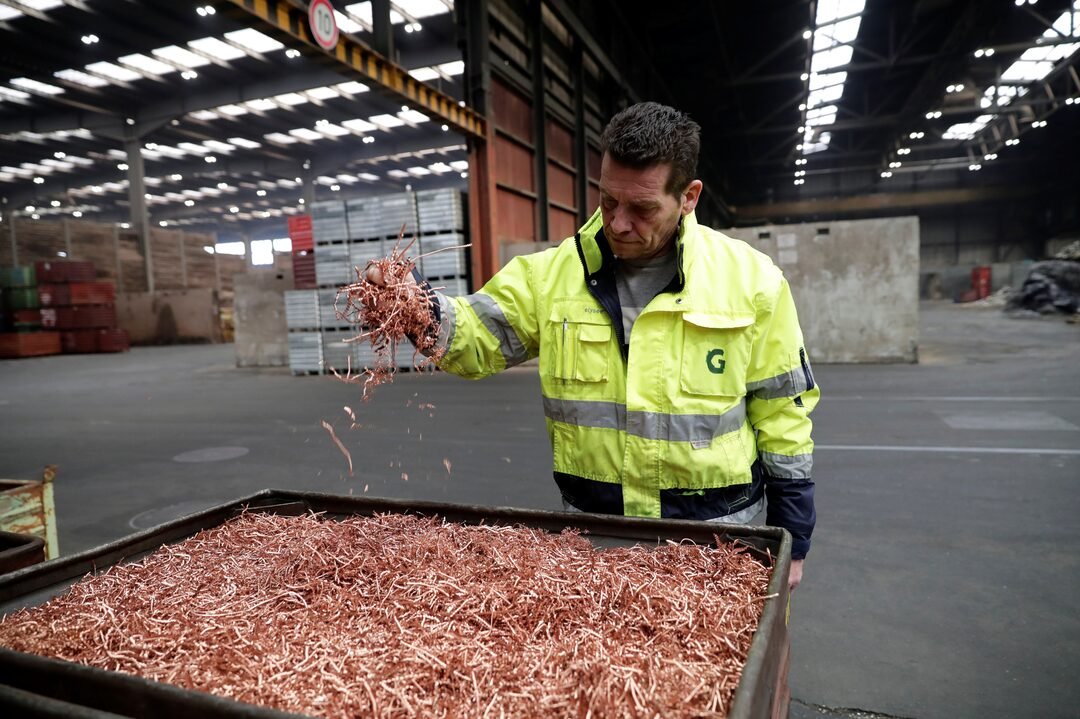
According to the World Bank, recent gains reflect resilient end-use demand alongside emerging supply constraints, particularly in copper, where mine disruptions, declining ore grades and long development timelines continue to limit new output.
“Prices for most base metals are expected to firm further in 2026 and 2027 as modest demand growth coincides with tightening supply conditions,” the bank said, while cautioning that price volatility remains likely over the next two years.
Copper, aluminum and tin lead gains
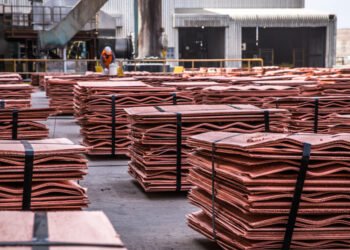
Among the metals tracked, aluminum, nickel, tin and copper are expected to post the strongest price increases. The World Bank projects copper and tin prices could reach new record highs in nominal U.S. dollar terms, driven by structural supply challenges and long-term demand tied to electrification, renewable energy systems and data-center expansion.
Industry analysts broadly share that view. Research from mining consultancies and major banks has repeatedly flagged copper as facing a widening supply deficit later this decade, as investment in new mines struggles to keep pace with demand from electric vehicles, power grids and artificial intelligence-driven infrastructure. Tin markets, meanwhile, remain vulnerable to disruptions due to heavy reliance on a small number of producing countries.
The World Bank expects its overall base metals index to rise by nearly 2% across 2026 and 2027, with supply constraints most pronounced in aluminum, copper and tin. Aluminum markets continue to be shaped by high energy costs, smelter curtailments in parts of Europe, and policy-driven production limits in China.
Downside risks remain
Despite the constructive outlook, the World Bank warned that the balance of risks remains skewed to the downside. Weaker-than-expected economic growth in major economies — particularly China — could cap demand growth and limit price upside.
“Subdued global growth, including in China, may temper the pace of demand expansion,” the bank said.
China’s slowing construction sector and declining steel production are already weighing on iron ore markets. Reflecting that trend, the World Bank expects iron ore prices to continue falling through 2026 and 2027, slipping below 2019 levels as steelmaking activity softens and supply remains ample.
Other downside risks cited include tighter financial conditions, lingering trade frictions and the possibility that industrial demand recovers more slowly than anticipated. At the same time, the bank noted several upside risks that could push prices above baseline forecasts, including unplanned mine outages, new trade restrictions and faster-than-expected growth in data-center construction linked to artificial intelligence.
A cautious but constructive outlook
Taken together, the World Bank’s forecast suggests metals markets are entering a period of relative stability rather than a boom — with selective strength driven more by supply discipline than surging demand. For producers, the outlook supports steady margins in key metals, while consumers may see continued cost pressure in copper-intensive and energy-transition-related industries.
As global growth remains uneven, the bank’s message is one of cautious optimism: firm prices for most nonferrous metals, declining iron ore values, and a market increasingly shaped by long-term structural trends rather than short-term demand spikes.