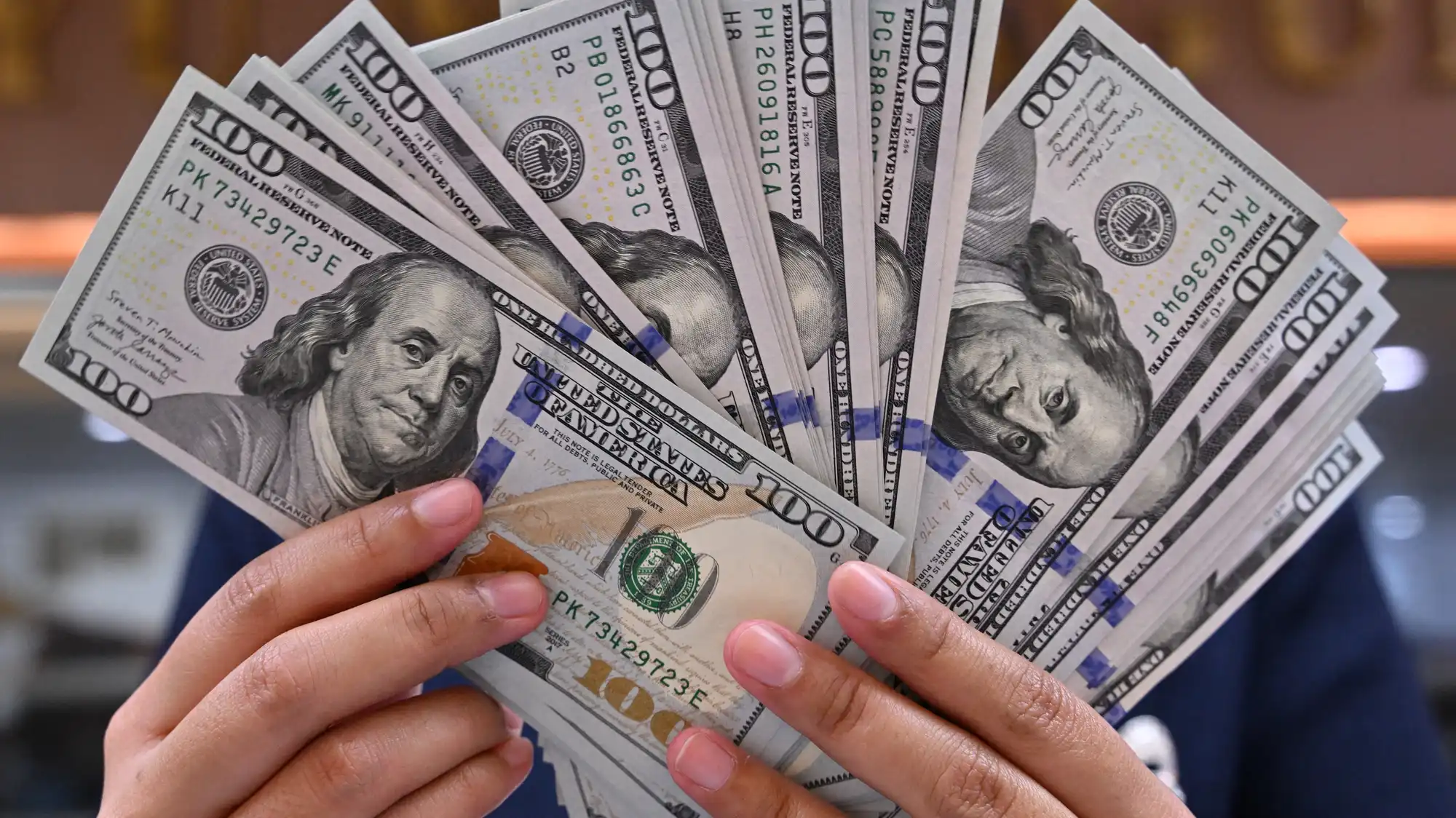
The U.S. dollar strengthened on Thursday after briefly pulling back from three-month highs, as intensifying geopolitical tensions in the Middle East unsettled global markets and pushed investors toward traditional safe-haven assets.
Currency markets remained volatile throughout the session as traders reacted to escalating rhetoric surrounding a widening regional conflict involving Iran and the United States. Fresh uncertainty emerged after Iranian officials warned Washington would “bitterly regret” the sinking of an Iranian warship near Sri Lanka, heightening fears that the confrontation could broaden and disrupt global trade routes.
The renewed geopolitical risk boosted demand for the U.S. dollar, which is widely viewed by investors as a safe store of value during periods of market stress. The greenback recovered losses seen earlier in the week as investors moved away from riskier assets such as emerging-market currencies and equities.
Financial markets have been particularly sensitive to developments in the Middle East because of the region’s central role in global energy supply. Rising tensions have pushed crude oil prices higher, increasing concerns that renewed inflationary pressures could complicate the monetary policy outlook.
Higher oil prices could feed through to global consumer prices, potentially limiting how aggressively the Federal Reserve can cut interest rates this year. Interest-rate futures currently suggest traders expect only modest easing, with markets pricing roughly 40 basis points of rate cuts in 2026, reflecting expectations that inflation risks remain elevated.
Analysts said the fragile risk sentiment has left markets highly reactive to geopolitical headlines. Even small shifts in developments in the Middle East have been enough to trigger sharp moves in currencies, commodities, and equities.
The dollar’s rebound also reflects its enduring role as the world’s dominant reserve currency and a preferred haven in times of uncertainty. When geopolitical or financial risks intensify, investors often move funds into U.S. assets, including Treasury bonds and dollar-denominated instruments, strengthening the currency.
Market participants will continue to monitor both geopolitical developments and upcoming economic data for clues about the trajectory of U.S. interest rates and global risk appetite. For now, analysts say the combination of geopolitical instability and persistent inflation concerns is likely to keep currency markets volatile in the near term.