San Francisco has become the first city in the United States to introduce fully automated public drop-off bins designed to safely collect batteries and battery-embedded household products, marking a significant step in addressing one of the fastest-growing waste and fire-safety challenges in urban areas.
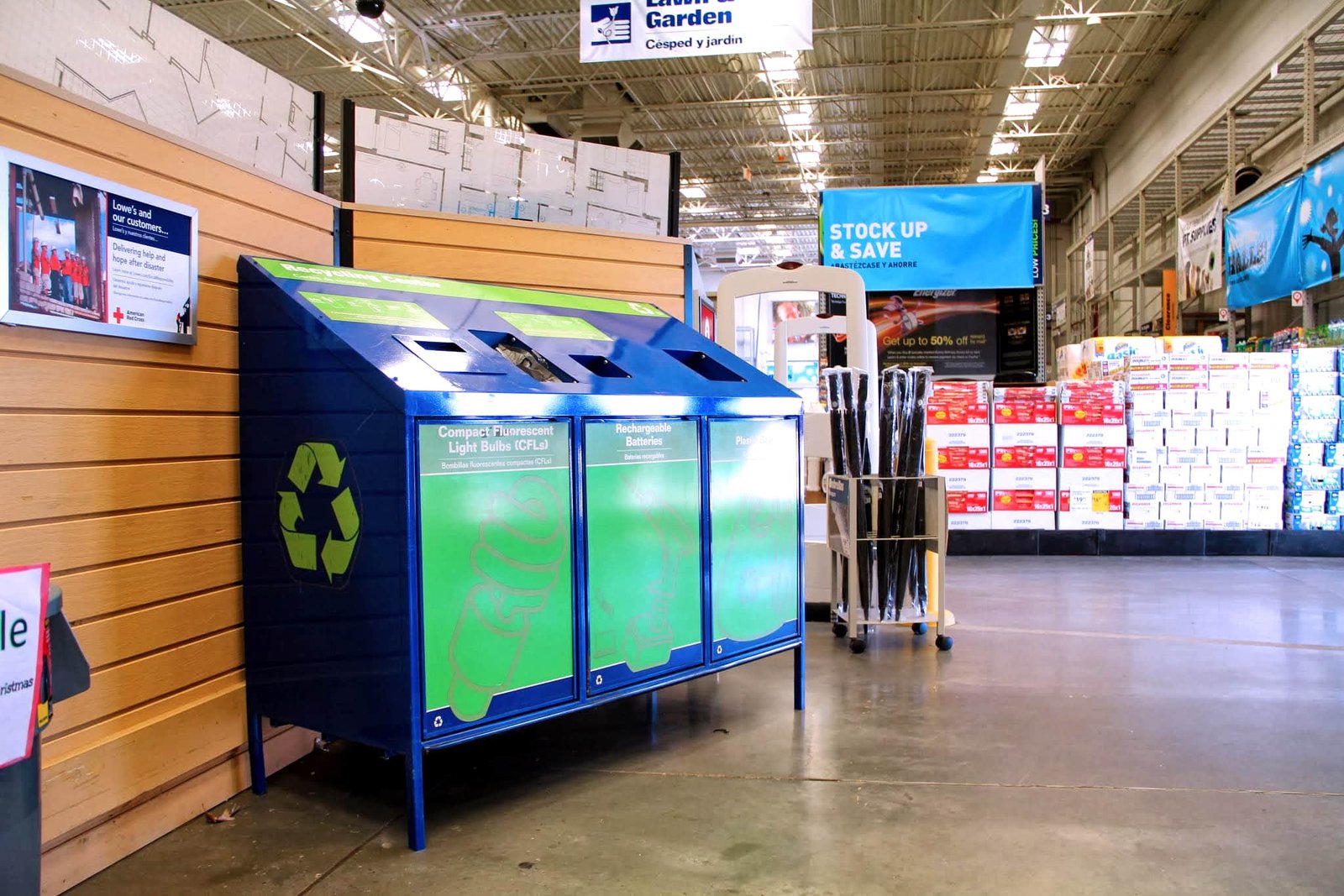
The program, led by the San Francisco Environment Department (SF Environment) in partnership with Redwood Materials, rolls out eight new collection bins across the city. Unlike traditional battery recycling programs that require taping terminals, sorting chemistries, or separating devices, the new bins accept mixed batteries and small battery-powered products with no preparation required. Residents can drop off items such as smartphones, laptops, electric toothbrushes, razors, headphones, and other small wireless devices in a single motion.
From the outside, the bins appear simple. Internally, they are equipped with automated sensing, fire-prevention, and materials-management systems designed to handle lithium-ion batteries safely—an increasingly urgent need as battery use expands beyond electric vehicles into everyday consumer products. Waste and fire departments nationwide have warned that improperly discarded lithium-ion batteries are a leading cause of fires in garbage trucks, recycling facilities, and landfills.
“San Francisco is the place to be for companies driving the future of climate innovation,” said Mayor Daniel Lurie. “These new battery recycling bins show how the city continues to make sustainability safer and easier for residents while supporting next-generation technology.”
Fire officials echoed that concern. The San Francisco Fire Department has repeatedly highlighted the risks posed by damaged or crushed batteries, which can ignite when exposed to heat or pressure. “Providing convenient, community-based locations where residents can safely recycle batteries just makes sense,” said Lt. Ken Smith, the department’s public information officer. “We expect this program to reduce fire risk while increasing proper disposal.”
Nationally, battery recycling has struggled to keep pace with consumption. According to industry and government estimates, fewer than one in five small consumer electronics are recycled in the U.S., leaving valuable metals locked in drawers or ending up in landfills. Electronics also represent a growing source of critical minerals such as lithium, nickel, cobalt, and copper—materials the federal government has identified as strategically important for clean energy and advanced manufacturing.
“Electronics are one of the largest untapped sources of critical materials,” said Alexis Georgeson, Redwood Materials’ vice president of external affairs and consumer recycling programs. “Our patented Battery Bin technology is designed to safely capture these materials at scale and keep them in the domestic supply chain.”
Redwood Materials, founded by former Tesla executive JB Straubel, has positioned itself as a key player in North America’s battery recycling and materials recovery ecosystem. The company already processes end-of-life batteries from consumer electronics, energy storage systems, and electric vehicles, returning recovered metals to battery manufacturers.
City officials say the new bins build on San Francisco’s long history of environmental leadership, from its three-bin waste system to early climate action planning and clean-energy adoption. SF Environment Director Tyrone Jue said expanding recycling options for battery-embedded products is increasingly essential as electrification spreads across transportation, appliances, and consumer goods.
Initial bin locations include four Cole Hardware stores, three Sports Basement locations, and Four Embarcadero Center, with plans to expand to additional sites. Retail partners say the bins address a common customer concern—what to do with old electronics that are unsafe to discard but inconvenient to recycle.
While the new system targets embedded batteries, the city emphasized that batteries of any kind should never be placed in standard recycling, compost, or landfill bins. San Francisco continues to operate a broader network of more than 60 retail battery collection partners, along with apartment-building battery buckets and curbside options for properly prepared loose household batteries.
As battery use accelerates nationwide, other cities are watching San Francisco’s pilot closely. If successful, the program could become a model for safer battery collection in dense urban environments—and a small but meaningful step toward closing the loop on critical materials in the clean-energy transition.