
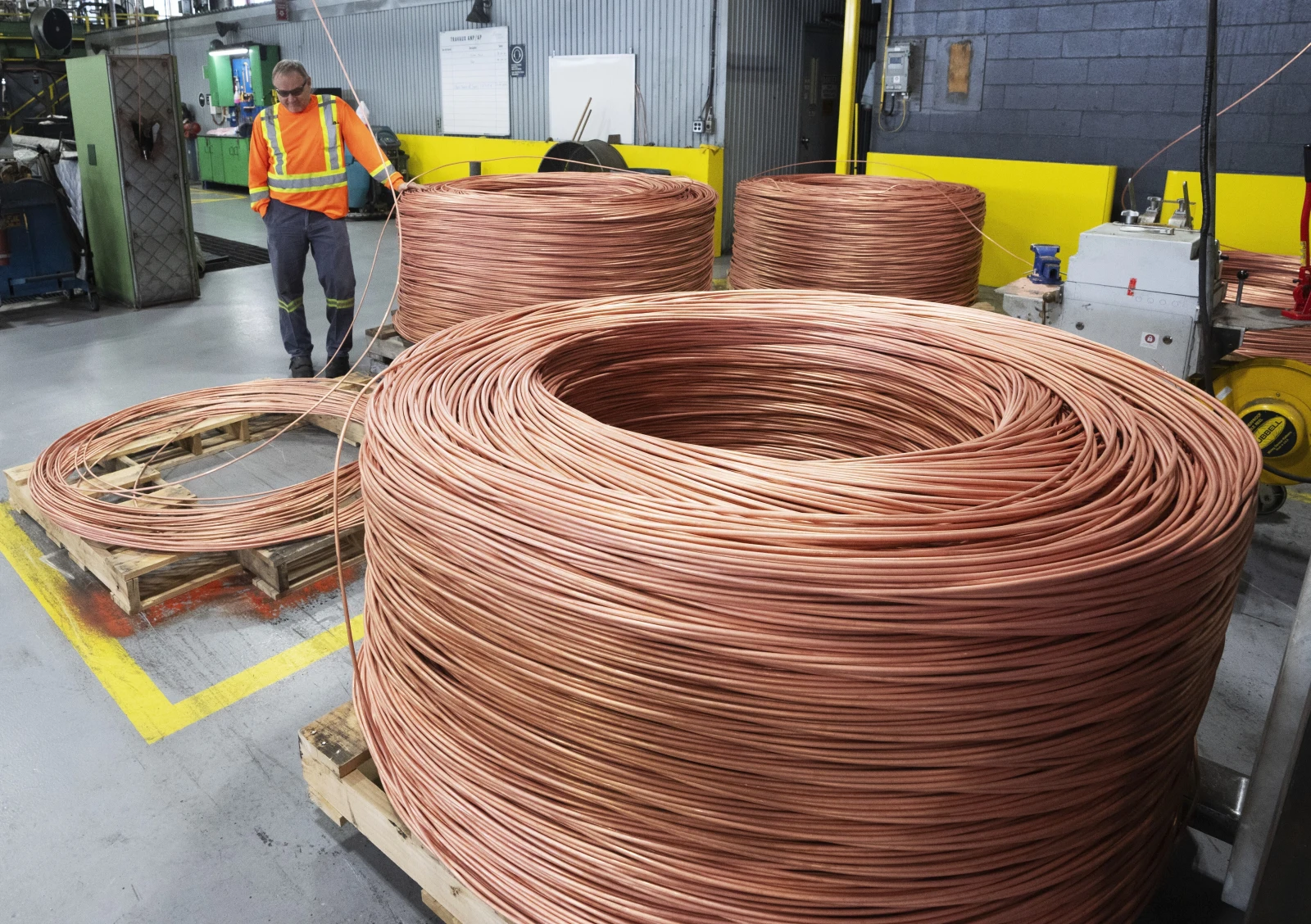
Copper markets have shown surprising resilience in recent months, with prices remaining elevated even as global inventories climb sharply. Analysts at RBC Capital Markets say the strength in copper prices and mining equities reflects continued investor confidence in the metal’s long-term fundamentals.
According to RBC, valuations across the copper mining sector have expanded significantly since the end of 2025. Multiples based on enterprise value to EBITDA (EV/EBITDA) for companies under the bank’s coverage have increased by roughly 20% when measured at current spot prices. Meanwhile, price-to-net asset value (P/NAV) ratios have risen by about 10%.
The bank attributes part of the surge in valuations to a broader investor rotation toward commodities and other tangible assets. This trend—sometimes referred to as a “halo trade”—has drawn capital into metals and mining companies as investors seek protection against inflation and geopolitical risk.
Copper itself has enjoyed a strong run in 2026. Prices climbed about 14% year-to-date and briefly touched a record high near $6.48 per pound before retreating as buyers balked at the elevated levels. Since then, the market has stabilized, with copper trading around $6.10 per pound, according to RBC’s analysis.
One notable aspect of the rally is that it has occurred despite a substantial rise in global copper inventories. RBC estimates that stocks have increased nearly 60% since the beginning of the year, reaching approximately 1.2 million tonnes. The firm believes part of this increase reflects seasonal patterns and some demand slowdown as higher prices tempered consumption.
Another factor influencing inventories is the buildup of copper stockpiles in the United States during 2025. RBC estimates that roughly 600,000 tonnes were accumulated ahead of possible import tariffs. If these inventories are eventually released back into global markets through exports, they could create additional supply pressure.
Even so, RBC maintains a constructive outlook for the metal. Analysts point to structural supply constraints and the likelihood of future deficits as global electrification, renewable energy projects, and infrastructure development continue to drive long-term demand. The bank also expects Chinese consumption to improve following the Lunar New Year slowdown.
Performance among major copper producers has varied considerably this year. Companies such as Lundin Mining, Hudbay Minerals, and Freeport-McMoRan have outperformed many peers, helped in part by exposure to precious metals and favorable operational developments.
Other miners have struggled to keep pace. RBC noted that firms including Capstone Copper, First Quantum Minerals, and Ivanhoe Mines have lagged due to project uncertainties, operational issues, or softer production guidance.
Despite the sector’s recent gains, RBC believes copper mining stocks could still have room to rise. Stronger free cash flow projections and improving fundamentals suggest the sector remains undervalued compared with the broader equity market, potentially leaving further upside if copper prices remain supported.