Tensions in the Middle East escalated sharply over the weekend after Israeli airstrikes struck multiple energy facilities in and around Tehran, prompting Iran to threaten retaliation against oil infrastructure across the Gulf region. The developments have heightened fears that the conflict could severely disrupt global energy markets and send oil prices sharply higher.
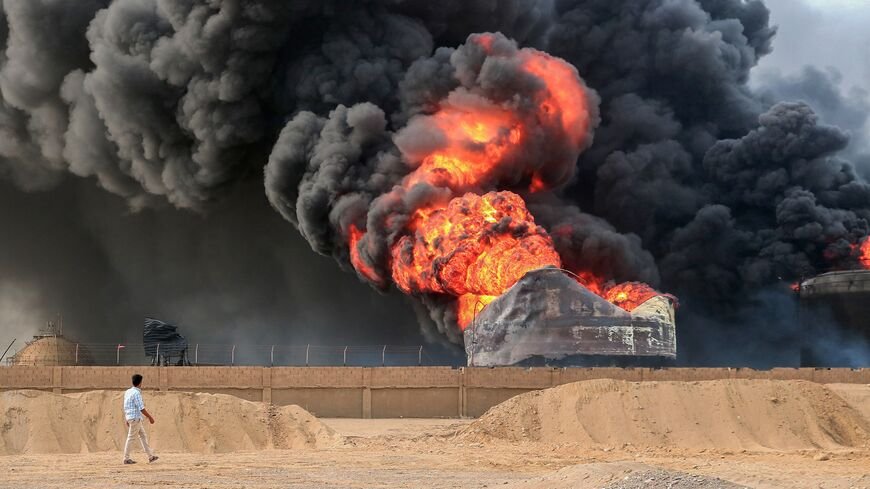
According to Iranian officials, at least five energy-related locations were targeted during the strikes, including major fuel storage facilities near the capital. Large explosions triggered fires that sent towering plumes of black smoke over Tehran, with residents reporting the strong smell of burning oil lingering throughout the city.
Iran’s oil distribution authorities confirmed that several storage depots were damaged and that four employees were killed in the attacks. Nearby industrial areas, including facilities in the city of Karaj, also reported explosions and extensive smoke, raising concerns about wider damage to Iran’s energy infrastructure.
Officials from the Islamic Revolutionary Guard Corps warned that further attacks on oil facilities could trigger direct retaliation against energy infrastructure in neighboring Gulf countries. A spokesperson for the group suggested that continued escalation could push crude oil prices to extreme levels, warning that the global market could face prices above $200 per barrel if the conflict intensifies.
The threat has added to already rising anxiety in energy markets, where crude prices have surged in recent days amid concerns about supply disruptions in one of the world’s most important oil-producing regions.
Officials in Washington sought to calm those fears. U.S. Energy Secretary Chris Wright stated that the United States had not targeted Iranian oil infrastructure and expected any disruptions to global petroleum supplies to remain temporary. He suggested that even if the conflict affects production or exports, the impact on markets would likely last only a few weeks.
Iran accounts for roughly four percent of global oil production, with a significant portion of its exports heading to China. However, analysts say the greatest risk to the global economy would come if fighting spreads to major shipping routes such as the Strait of Hormuz, through which a large share of the world’s seaborne oil passes.
The military escalation coincided with a major political shift in Tehran. Iran’s clerical leadership council announced that Mojtaba Khamenei has been selected as the country’s new supreme leader following the death of his father, Ali Khamenei.
The decision marks the first time since the Iranian Revolution that the position of supreme leader has effectively passed from father to son, a development likely to trigger internal debate within Iran about the emergence of dynastic leadership in a political system originally founded to replace hereditary rule.
Iranian state media reported that the decision was reached through what officials described as a decisive vote by the clerical body responsible for selecting the country’s highest authority. Leaders urged citizens, academics, and religious institutions to rally behind the new leadership and maintain national unity during what they described as a critical moment for the country.
The leadership transition has also drawn strong reactions abroad. U.S. President Donald Trump warned that Iran’s new supreme leader would face significant pressure if Tehran continues its current course. Meanwhile, Israeli officials signaled that military operations targeting Iranian leadership and infrastructure could continue.
The latest developments underscore how quickly the conflict between Israel and Iran is expanding beyond military targets to include critical economic infrastructure. Energy analysts warn that continued strikes on oil facilities—either in Iran or across the Gulf—could trigger major disruptions in global energy supplies and intensify volatility across financial markets.