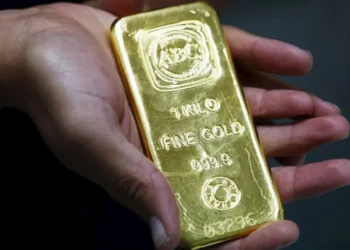
Gold prices moved higher midweek as easing oil markets and renewed diplomatic signals between Washington and Tehran helped calm inflation concerns, supporting demand for the safe-haven metal.
Spot gold rose nearly 2% to around $4,558 per ounce, while April futures advanced more than 3%, reflecting renewed investor interest after recent volatility. Despite the rebound, bullion remains roughly 17% below its late-January highs, highlighting the broader consolidation phase in the market.
Oil Decline Eases Inflation Pressure
The rally in gold came as crude oil prices retreated sharply. Brent crude slipped about 5% to near $99 per barrel, while U.S. West Texas Intermediate fell roughly 4% to around $88. The pullback followed indications that geopolitical tensions in the Middle East may be stabilizing, reducing fears of prolonged supply disruptions.
Lower energy prices tend to ease inflation expectations, which can support gold by improving its appeal as a store of value in a less aggressive interest rate environment.
Mixed Signals on U.S.–Iran Talks
Market sentiment was also influenced by developments surrounding potential negotiations between the United States and Iran. U.S. President Donald Trump stated that discussions are underway and suggested Iran may be open to reaching an agreement, prompting a shift away from earlier threats targeting Iranian energy infrastructure.
However, Iranian officials quickly denied the existence of direct talks, underscoring ongoing uncertainty. At the same time, Tehran signaled it would allow safe passage for non-hostile vessels through the Strait of Hormuz, a critical artery for global oil shipments. This announcement helped ease fears of supply blockages that had driven energy prices higher in recent weeks.
Gold Outlook: Short-Term Volatility, Long-Term Strength
Analysts note that gold’s recent pullback aligns with historical trends, as rising interest rate expectations and market volatility have weighed on investor flows, particularly into gold-backed exchange-traded funds.
Periods of market stress can also trigger short-term selling in gold, as investors liquidate assets to meet margin requirements. Some analysts believe the latest rally may partly reflect a normalization after earlier price spikes.
Nevertheless, the long-term outlook remains constructive. Strong central bank demand continues to underpin the market, as countries seek to diversify reserves into assets perceived as less exposed to geopolitical and financial risks.
Forecasts from major institutions suggest gold could push significantly higher over time, with some projections pointing toward levels as high as $5,400 per ounce if current structural drivers remain intact.