U.S. stock futures tumbled sharply ahead of Monday’s opening bell, signaling a turbulent start to the trading week as oil prices surged toward $120 per barrel following escalating tensions between the United States and Iran. The spike in energy costs has intensified concerns that higher fuel prices could weigh heavily on economic growth and corporate profits.
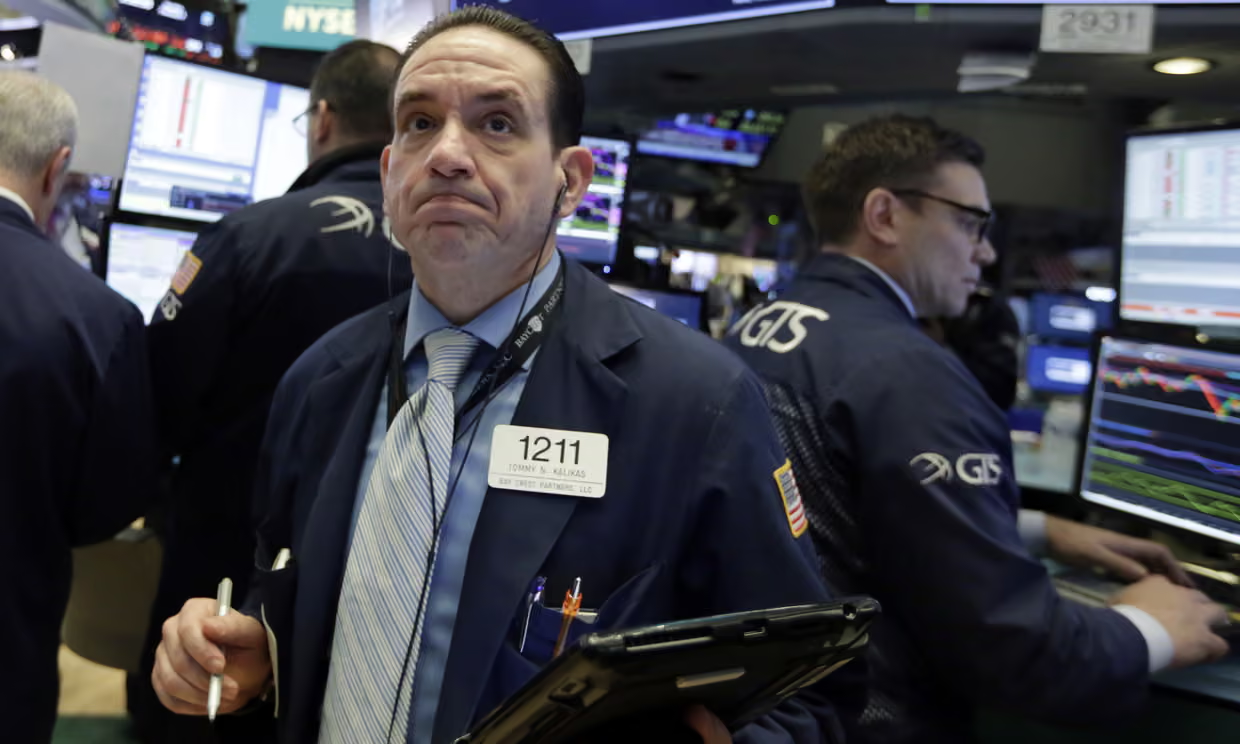
Futures linked to the Dow Jones Industrial Average dropped more than 1,000 points in overnight trading, a decline of roughly 2.3%. Contracts tied to the S&P 500 fell about 2%, while Nasdaq-100 futures slid more than 2.3%, reflecting broad risk-off sentiment among investors.
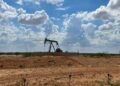
The sharp market reaction came as crude oil prices surged to levels not seen in several years. West Texas Intermediate (WTI) crude climbed more than 25%, rising above $113 per barrel—its first move past the $100 threshold since 2022, when global energy markets were shaken by Russia’s invasion of Ukraine. Meanwhile, the international benchmark Brent crude rallied more than 24% to above $115 per barrel. At the start of the year, U.S. oil prices had been trading below $60.
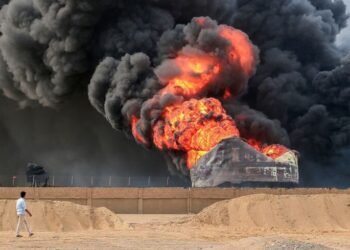
Energy markets were jolted Sunday evening after reports that key Middle Eastern producers had sharply reduced output amid ongoing disruptions around the Strait of Hormuz, one of the world’s most important oil shipping routes. Kuwait confirmed that it had curtailed production, though officials did not disclose the scale of the cuts. Iraq’s output has reportedly dropped by roughly 70% as regional instability continues to affect operations.
Many analysts on Wall Street view oil above $100 per barrel as a critical threshold that could strain consumers, increase inflation pressures, and slow economic activity if prices remain elevated for an extended period. Rising energy costs tend to ripple through the broader economy by raising transportation, manufacturing, and household expenses.
President Donald Trump addressed the situation on Sunday, saying that higher oil prices in the near term were “a very small price to pay” if the military campaign ultimately eliminates Iran’s nuclear threat. However, the geopolitical situation appeared far from resolved, with reports indicating that Iran had appointed Mojtaba Khamenei, the son of Ayatollah Ali Khamenei, as the country’s new supreme leader amid the ongoing conflict.
The latest developments follow a turbulent week for financial markets. U.S. crude oil prices surged more than 35% over the previous week, marking the largest weekly gain since oil futures began trading in 1983. Equity markets also struggled under the weight of geopolitical uncertainty and rising energy costs.
The Dow Jones Industrial Average fell roughly 3% last week, its steepest weekly drop since early April 2025 when sweeping tariff announcements rattled global markets. The S&P 500 declined about 2%, while the Nasdaq Composite ended the week down roughly 1.2%.
Market strategists say investors are increasingly uneasy about the uncertain trajectory of the Middle East conflict and its potential economic consequences. Rick Rieder, chief investment officer of global fixed income at BlackRock, noted in a message to clients that markets are reacting to a wide range of possible outcomes.
“Investors are clearly unsettled by the uncertain scope and duration of the conflict,” Rieder wrote. “These geopolitical events are triggering significant volatility as market participants move to reduce risk exposures or hedge existing positions.”
On the economic calendar, Monday brings little in the way of major data releases. However, investors will closely watch several key indicators later in the week, including reports on inflation, employment, and U.S. gross domestic product. Corporate earnings will also draw attention, beginning with Hewlett Packard Enterprise reporting after Monday’s close. Results from Kohl’s, Oracle, Dollar General, and Dick’s Sporting Goods are expected later in the week.
With geopolitical tensions rising and oil markets surging, traders are bracing for heightened volatility as the week unfolds.