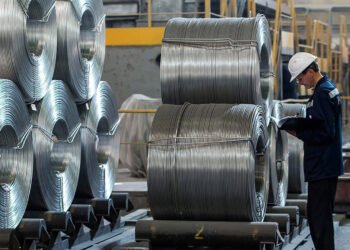
Aluminium markets are navigating higher energy costs, shifting demand signals from China, and a cautious global manufacturing backdrop. Traders weigh the profit margins of smelters against confidence in lightweighting projects and the pace of energy-transition demand. As of early April, the tone is cautious but constructive, with the LME trading arena reflecting macro volatility and supply discipline. The near term remains sensitive to energy policy, currency moves, and Chinese industrial activity, while longer-term drivers keep aluminium at the forefront of transport lightweighting, grid storage, and renewable infrastructure.
📉 Short-Term Pressure and Price Direction
In the near term, aluminium faces a mix of cost pressures and demand signals. Elevated energy costs continue to weigh on smelter margins, reinforcing supply discipline in some regions and creating a floor for prices when energy markets firm. If energy input costs stabilize or ease, producers could rebuild run rates, which may cap upside potential in the very short run.
Demand signals from China remain a key swing factor. Any sustained improvement in manufacturing activity or infrastructure spending could support quotes, while soft domestic demand or policy tightening elsewhere could curb near-term gains. Outside China, a cautious global manufacturing backdrop keeps buyers selective, limiting speculative interest.
Inventory dynamics and exchanges continue to attract attention. Traders monitor LME delivery patterns, regional stock levels, and the flow of metal into and out of bonded hubs. The net effect is likely to be a modestly range-bound path with occasional spikes on supply or policy headlines.
📊 Market Activity and Sentiment
Market activity through the LME remains active, with hedgers and end users seeking price risk protection amid macro volatility. The sentiment around aluminium remains supported by the prospect of ongoing demand from lightweighting in autos and energy infrastructure, even as short-term indicators point to caution.
Industry pulse points include carmakers pursuing weight reduction, grid-scale storage equipment procurement, and renewable energy projects that rely on corrosion-resistant, recyclable metal. These drivers underpin a longer-term baseline for consumption, even if quarterly headlines swing on energy and policy news.
- Hedging activity persists as manufacturers align procurement with project timetables.
- Speculative length remains cautious amid energy and policy risk.
- Recycled aluminium provides an offset to primary supply in some markets.
🌍 Macro and Geopolitical Influence
Energy prices and electricity reliability stay central to the aluminium story. Higher energy costs in major smelting regions can constrain supply and tilt the cost curve, supporting a floor for prices even if demand softens. Conversely, any cooling in energy markets or policy support for manufacturing could loosen the environment and encourage shipments.
China policy, currency dynamics, and property conditions influence the pace of industrial output and mid-market demand. Trade developments, export controls on metals and key inputs, and global carbon pricing discussions feed into the risk premium around near-term flows. The energy-transition push globally continues to underpin longer-term demand for lightweight, durable aluminium in automotive, rail, and grid applications.
🏗 Supply Outlook: Structural Support Remains
Longer-run supply discipline persists as smelters assess energy contracts and carbon costs. In some regions, tighter energy supply or institutional curbs can constrain output despite healthy demand signals. In others, new capacity or expansions in regions with competitive power prices could ease bottlenecks. Secondary production and recycling are expected to grow as a complement to primary metal, helping balance supply in a period of higher energy costs.
Structural support also comes from long-cycle demand for lightweight materials in construction, packaging, and especially transport and renewables. The trajectory of electrification and grid modernization reinforces the case for steady, if gradual, improvement in aluminium intake over the medium term.
🧠 Market Outlook
The market tends to be range-bound in the near term, with risks skewed to the upside if energy costs stabilize and demand from China and the West strengthens. The upside would be anchored by the continued roll-out of energy-transition projects and an ongoing push for lighter, recyclable materials in manufacturing.
Downside risks remain if energy volatility persists, if Chinese manufacturing slows more than expected, or if policy measures tighten financial conditions. In that case, price action could retreat from recent highs as buyers defer large orders and inventories adjust.
🔎 Bottom Line
Aluminium remains a cornerstone of modern lightweighting and energy infrastructure. The fundamental story is supported by structural demand from mobility and renewables, even as near-term prices stay sensitive to energy costs and macro risks. Supply discipline, recycling, and cost-aware production will help maintain a constructive backdrop, but traders should stay cautious and receptive to policy and energy developments that could shift the balance in the weeks ahead.