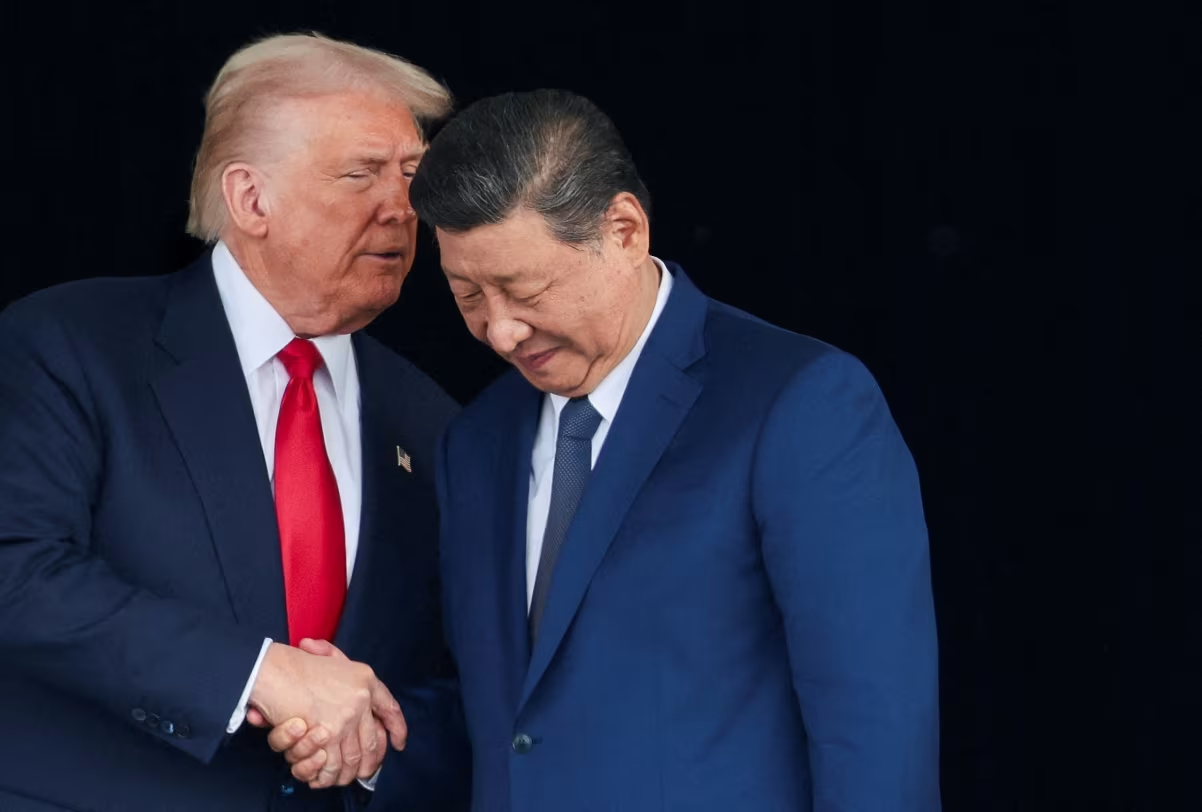
In recent days, the international economic community has been closely observing the trade talks between the world’s two largest economies, China and the United States. These negotiations, marked by both tension and optimism, have resulted in a new understanding that is expected to reshape the global trade landscape.
The talks, held in Washington D.C., brought together top delegates from both nations. The goal was simple yet significant: to find a middle ground amid the long-standing trade war that has impacted global markets. Discussions centered around intellectual property rights, technology transfers, agriculture, and financial services, among other critical sectors.
The United States, under the Trump administration, has long argued that China’s trade practices are unfair, pointing to intellectual property theft and forced technology transfers. China, on the other hand, has criticized the US for protectionism and has called for a more balanced approach to trade.
The new agreement reached is a testament to the power of diplomacy and negotiation. It includes China’s commitment to purchase an additional $200 billion worth of goods and services from the United States over the next two years. In return, the US has agreed to reduce some of the tariffs imposed on Chinese goods.
However, analysts warn that while this deal may provide temporary relief, it does not address some of the more fundamental issues such as China’s state-led economic model and industrial subsidies. These issues, they argue, are at the root of the trade imbalance and will need to be addressed in future negotiations.
The recent trade talks have undoubtedly eased tensions between China and the United States, and the new agreement is a positive step towards a more balanced trade relationship. The commitment from both sides to address contentious issues and work towards a mutually beneficial agreement is a promising sign.
However, while the deal is a significant achievement, it is not a comprehensive solution. The larger structural issues remain unresolved and will require further negotiation and compromise. The world will be watching closely to see how these two economic powerhouses navigate these complex issues in the months and years to come.
The success of these talks serves as a reminder that diplomacy and negotiation are key tools in resolving international disputes. As the global economy becomes increasingly interconnected, the ability to engage in constructive dialogue, even amid disagreements, is more critical than ever.