
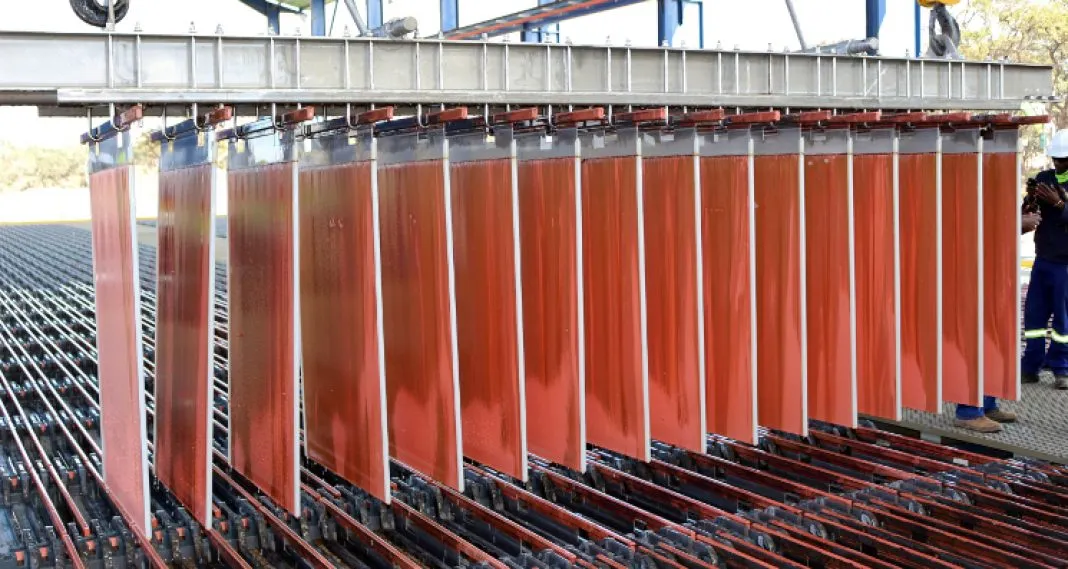
Copper markets enter April with a cautious tone as traders calibrate the impact of macro data, shifting policy expectations, and ongoing supply considerations. The metal remains sensitive to construction activity, demand from clean-energy sectors, and any signs of reacceleration in major consuming regions.
📉 Short-Term Pressure Weighs on Prices
Near-term price direction remains constrained by softer activity indicators in housing and manufacturing in key markets, along with a modest easing in commodity-related funded demand. While mills and fabricators show pockets of resilience, broader demand momentum is not yet robust enough to lift prices decisively. Inventories at warehouses and in transit have drifted, creating a cautious backdrop.
- Weak seasonal demand in some regions.
- Rising financing costs weighing on project activity.
- Fewer near-term catalysts for a sustained rally.
📊 Market Activity and Sentiment
Trading volumes have been uneven as participants wait for clearer guidance from policy announcements and quarterly data. Open interest in futures has shown modest drift, while exchange-traded funds tracking copper have fluctuated with risk sentiment. Price moves have tended to revert within a narrow range, with occasional spikes on supply-side news.
- Trading psychology leans cautious to neutral.
- Spot-market activity remains choppy around key hubs with differing regional signals.
- Consolidation patterns suggest traders prefer to await fresh directional cues.
🌍 Macro and Geopolitical Influence
Global growth dynamics and policy stance remain the dominant crosscurrents. A softer growth trajectory or delayed infrastructure capex could temper demand expectations, while supportive policy measures in large economies might offer relief. The currency and inflation outlooks influence copper pricing. Geopolitical risk, particularly in mining-producing regions, can punctuate supply considerations even when fundamentals look steady.
- Economic data from major regions continue to influence the pace of copper demand.
- Currency moves and interest rate outlooks shape carry and hedging costs.
- Any mine disruptions or transport bottlenecks reverberate quickly through the market.
🏗 Supply Outlook: Structural Tightness Remains
Supply remains structurally tight versus cyclical demand, underpinned by aging mine infrastructure, project delays, and capped capex in some regions. While copper scrap and secondary refined material provide some relief, they do not fully offset declines in mine-grade and new mine ramp-ups. Chile and Peru remain watch areas for shipments and labor stability, while logistics around concentrate flows add a layer of complexity.
- Limited new mine supply filings for the next year.
- Grade declines and rising capex costs weigh on long-cycle supply.
- Recycled copper is helping but cannot fully bridge the gap.
🧠 Market Outlook
The baseline view is a balanced-to-soft growth path with a range-bound price trajectory until clearer catalysts emerge. In a constructive scenario, a combination of renewed infrastructure spending, better-than-expected consumer demand, and bullish sentiment could push prices toward the upper end of recent ranges. In a bear scenario, renewed inventory builds, weaker-than-expected demand, or policy surprises could push prices lower and widen the range.
- If Chinese stimulus accelerates, copper could test the highs of the current range.
- If funding conditions tighten further, downside risk remains.
- A multi-month range is plausible absent a major new impulse.
🔎 Bottom Line
Copper remains a data-driven, macro-sensitive market. For now, traders should expect a cautious-to-neutral tone until demand signals brighten or macro policy clarity firms up.