
Copper and precious metals futures climbed Thursday after the United States and Iran concluded another round of high-stakes nuclear negotiations in Geneva without a breakthrough, stoking fears that rising military tensions in the Middle East could spill into global commodity markets.
The indirect talks, mediated by Oman, ended with both sides signaling “significant progress” but no agreement. Iranian state media reiterated Tehran’s determination to continue uranium enrichment and reject proposals to ship enriched material abroad, while Washington maintained its demand for tighter nuclear constraints and broader concessions.
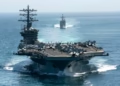
The absence of a deal comes as the U.S. has amassed a substantial naval and air presence in the region, raising concerns that diplomacy could give way to confrontation.
Copper Futures React to Geopolitical Risk
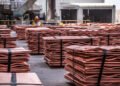
Benchmark copper futures on the COMEX and the London Metal Exchange moved higher in volatile trading, with traders citing geopolitical risk premiums and concerns about supply chain disruptions.
While Iran is not a major global copper producer, analysts say any military conflict in the Persian Gulf could disrupt shipping routes through the Strait of Hormuz — a critical chokepoint for global energy flows. A spike in oil prices would likely increase production and transportation costs across the metals complex.
“Copper is often treated as a barometer of global growth, but in times like this it also behaves as a geopolitical hedge,” said one metals strategist at a New York brokerage. “If oil jumps and the dollar weakens on uncertainty, copper can catch a bid.”
Higher energy costs would particularly impact smelting operations in Asia and Europe, potentially tightening refined copper supply.
Precious Metals Gain Safe-Haven Appeal
Gold and silver futures also rallied as investors sought traditional safe havens. Gold prices rose on the COMEX amid broader market jitters, reflecting concerns that a regional conflict could destabilize financial markets.
Historically, geopolitical flare-ups involving Iran have prompted short-term spikes in precious metals, especially if accompanied by oil price surges or equity market selloffs.
Industrial Metals Face Crosscurrents
Other industrial metals such as aluminum and nickel saw mixed trading. On one hand, escalating tensions could push energy prices higher, raising production costs. On the other, a full-scale conflict might dampen global manufacturing demand if it slows economic growth.
Traders are also watching China, the world’s largest consumer of copper, for signs of stimulus or stockpiling activity that could amplify price moves.
Shipping and Energy as Key Variables
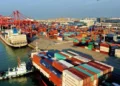
The Strait of Hormuz handles roughly a fifth of the world’s oil shipments. Any disruption there would ripple through freight markets, insurance premiums, and raw material supply chains — all of which feed into metals pricing models.
“Even without direct fighting, the mere risk of escalation can tighten liquidity and raise hedging demand in futures markets,” said a London-based commodities analyst.
Diplomatic Path Still Open
Oman’s foreign minister said lower-level technical talks would continue next week in Vienna, home to the International Atomic Energy Agency, which would likely play a central role in verifying any future agreement.
For now, metals traders remain on edge. With uranium enrichment still a sticking point and U.S. military assets positioned nearby, the market is pricing in a higher probability of disruption — even as diplomats insist negotiations are not over.
If tensions escalate further, analysts expect heightened volatility across copper, gold, silver and broader base metals futures, as geopolitical risk once again intertwines with industrial demand in shaping global commodity prices.