
The White House has unveiled a revised tariff framework that imposes a temporary 15% duty on a broad range of imported goods, following a recent Supreme Court decision that invalidated earlier, more sweeping trade measures. The new action is being implemented under Section 122 of the Trade Act of 1974 and is structured as a short-term measure aimed at addressing persistent U.S. trade imbalances.
Legal Basis and Duration
Section 122 grants the president authority to impose temporary import restrictions for up to 150 days without direct congressional approval when responding to balance-of-payments concerns or significant trade deficits. Administration officials characterized the 15% tariff as a transitional policy while longer-term trade adjustments are evaluated.
Copper and Metal Tariffs: Higher Rates Remain
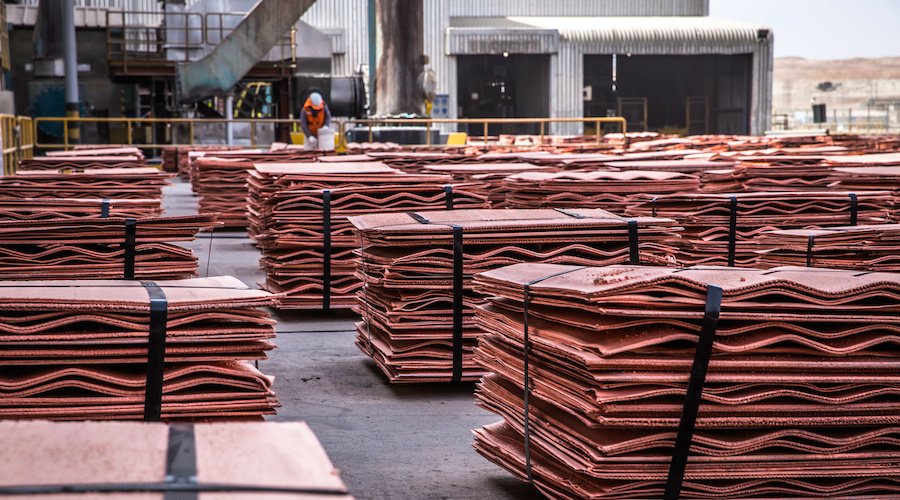
Although the new 15% duty applies broadly, copper-related products are treated differently. Imports of semi-finished copper materials and copper-intensive derivative products continue to face a steep 50% global tariff. These higher duties are separate from the temporary 15% measure and reflect ongoing efforts to support domestic copper processing and fabrication industries.
The distinction means that while most imported goods will see a uniform 15% levy, key segments of the copper supply chain remain subject to significantly elevated protection.
Exemptions and Overlapping Trade Measures
The updated tariff directive does not apply to products already covered by national security tariffs under Section 232 of the Trade Expansion Act, including steel, aluminum, and certain copper categories. In addition, goods that meet compliance standards under the United States–Mexico–Canada Agreement (USMCA) remain exempt from the new 15% duty.
Critical minerals are also excluded from the temporary tariff program, underscoring their strategic importance to U.S. manufacturing, defense, and clean energy sectors.
Economic and Industry Implications
The administration maintains that the measures are intended to strengthen domestic production capacity and encourage onshoring of supply chains. Supporters argue that higher duties on imported copper and related products will create more favorable conditions for U.S.-based smelters, refiners, and manufacturers.
However, downstream industries—including construction, electronics, and infrastructure developers—may face rising input costs. Because copper is a foundational material in power systems, transportation equipment, and technology hardware, sustained tariffs at current levels could translate into higher project expenses and consumer prices.
Outlook
With the 150-day window in place, policymakers now face a decision on whether to extend, modify, or replace the temporary tariff structure. Markets are likely to closely monitor developments, particularly in sectors heavily reliant on imported industrial metals.
The coming months will determine whether this interim trade action evolves into a longer-term reshaping of U.S. import policy or serves primarily as a stopgap response to recent legal and economic pressures.