
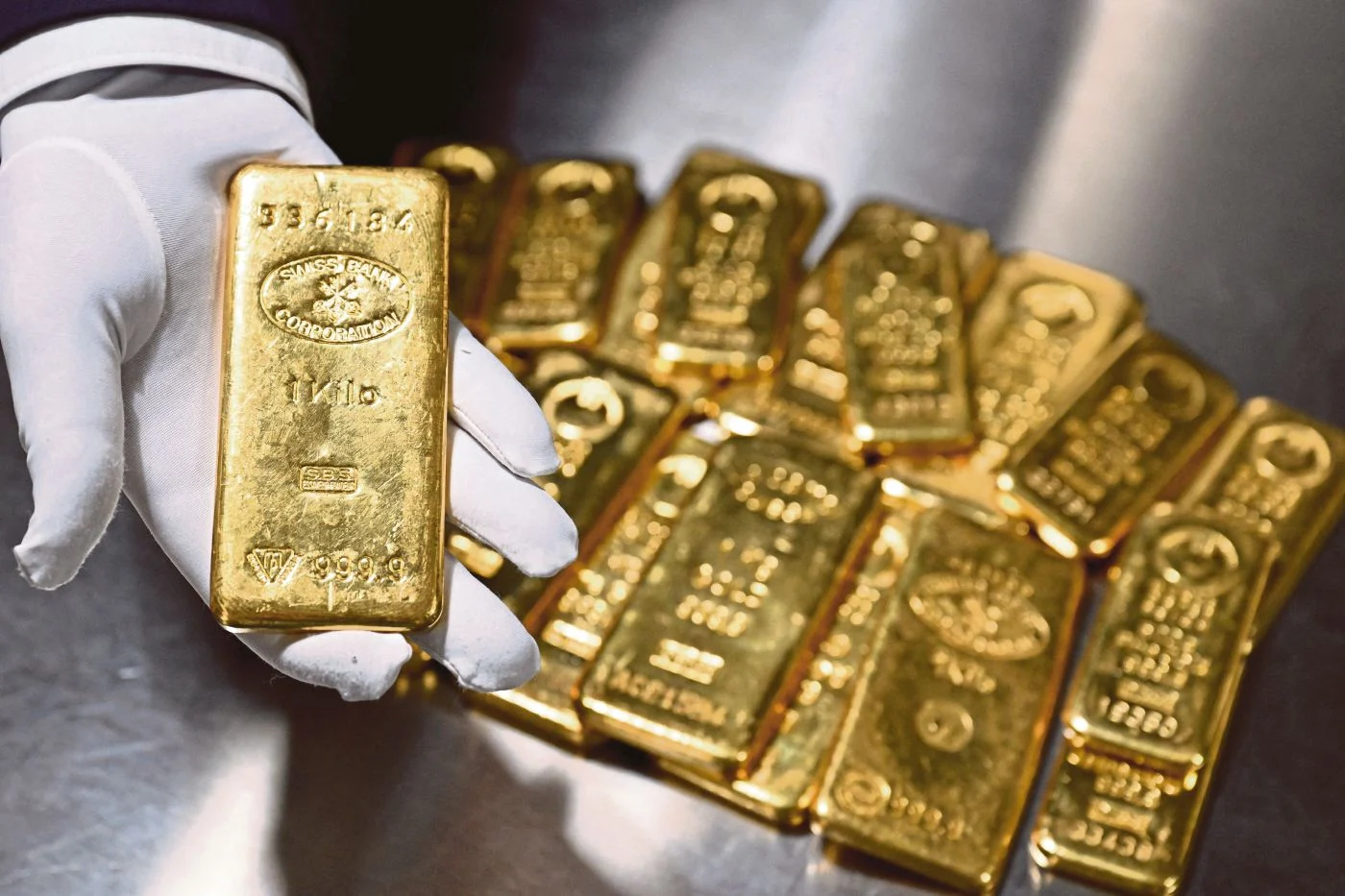
Gold prices were narrowly steady on April 1, 2026 as traders weighed a firmer U.S. dollar against evolving inflation signals and fresh guidance from central banks. With policy paths still in play, market participants moved cautiously, seeking clarity on whether higher rates will be sustained or gradually eased later in the year. The mood remains tied to incoming data on inflation and growth, as well as the appetite of large buyers for safe havens amid geopolitical tension. While spot gold maintains a traditional hedge appeal, the near term is likely to stay sensitive to shifts in rate expectations, dollar direction, and the tone from major central banks.
📉 Short-Term Price Movement
In early trading, gold traded within a tight range as the dollar grapples for direction and short-term yields stay choppy. Traders note that small shifts in risk appetite can push the metal first, before broader macro factors take shape. On the upside a softer dollar could help lift bullion toward nearby resistance, while a firmer dollar tends to cap gains. Liquidity remains thin on some sessions, amplifying the impact of even modest headlines. Market participants continue to monitor short tenor swaps and options signals for clues on the next move in inflation and policy outlook.
📊 Market Activity and Sentiment
ETF flows and futures positioning give a snapshot of risk appetite. Gold backed funds have shown fluctuating inflows and outflows as investors weigh bullion as a hedge against a higher for longer regime versus competing assets. Futures positioning remains cautious, with traders preferring selective exposure ahead of key data releases. Physical demand in key hubs continues to influence the market, especially in regions where seasonal buying patterns align with price levels. In general, sentiment remains tethered to the evolving narrative on inflation, dollar strength, and central-bank guidance.
- Dollar direction and real yields remain a decisive factor for near-term moves
- Central-bank conversations on gold reserves can shift positioning
- Geopolitical developments keep safe-haven demand in play on risk-off days
🌍 Macro and Safe-Haven Demand
Inflation trajectories, real yields, and the global growth outlook shape gold’s macro case. If inflation cools while real yields stay low, gold could hold a firmer base even as equities drift. A surprise uptick in price pressures or a tilt toward higher rates could weigh on near-term volatility. Geopolitical tensions or supply disruptions can renew safe-haven demand, particularly on risk-off days. Central-bank messaging remains crucial; hints of persistent accommodation or renewed appetite for gold reserves can alter the investment calculus for bullion buyers around the world.
🏗 Supply and Demand Trends
On the supply side, mine output and discovery cycles remain long term drivers, with current dynamics often moderating price moves unless demand shifts. Jewelry and technology demand in key consuming regions continues to reflect seasonal patterns and discretionary spending. Physical demand for bars and coins tends to respond to price levels and sentiment, with regional spikes possible around holidays and festival periods. Central-bank demand for gold, whether through official purchases or reserve rebalancing, adds a steady undercurrent to the market that can influence prices over the medium term.
🧠 Market Outlook
Looking ahead, the trajectory for gold depends on the path of U.S. rates, inflation data, and how central banks frame policy. If rate expectations stabilize at a higher plateau, gold could trade in a defined range with occasional rallies on risk-off days. If a clearer easing cycle gains traction later in the year, bullion may attempt to test higher ground as real yields retreat. The ultimate outcome will hinge on dollar direction, the resilience of global growth, and how policymakers communicate on balance sheets and gold reserves. In uncertain times, bullion remains a flexible hedge that can fit both defensive portfolios and opportunistic plays, but timing remains uncertain.
🔎 Bottom Line
Gold remains positioned at the intersection of dollar strength, yields, and safe-haven demand. The near term likely outcomes hinge on rate expectations and policy signals from major central banks, with geopolitical tensions providing intermittent support. For investors, the takeaway is to watch the dollar, real yields, and ongoing inflation debates while staying prepared to adapt to shifting headlines and data releases.