
Fears that the artificial intelligence arms race could stretch the balance sheets of America’s largest technology firms are fueling renewed demand for credit derivatives, as investors look for ways to hedge against a potential borrowing binge.
Wall Street’s biggest tech names — including Meta Platforms, Alphabet Inc., and Oracle Corporation — are spending aggressively to build advanced AI infrastructure. While these companies remain highly profitable, bond investors are increasingly wary that the scale of planned investment could eventually pressure their credit profiles.
That anxiety is reviving trading in single-name credit default swaps (CDS), derivatives that allow investors to insure against the risk of a company defaulting on its debt. Just a year ago, CDS tied to many high-grade Big Tech issuers were thinly traded or nonexistent. Now, according to data from the Depository Trust & Clearing Corporation, they rank among the most actively traded U.S. corporate contracts outside the financial sector.
In recent months, activity has accelerated. Contracts linked to Alphabet account for roughly $895 million in net notional outstanding, while about $687 million is tied to Meta’s debt. Oracle’s CDS market has also remained active for several months.
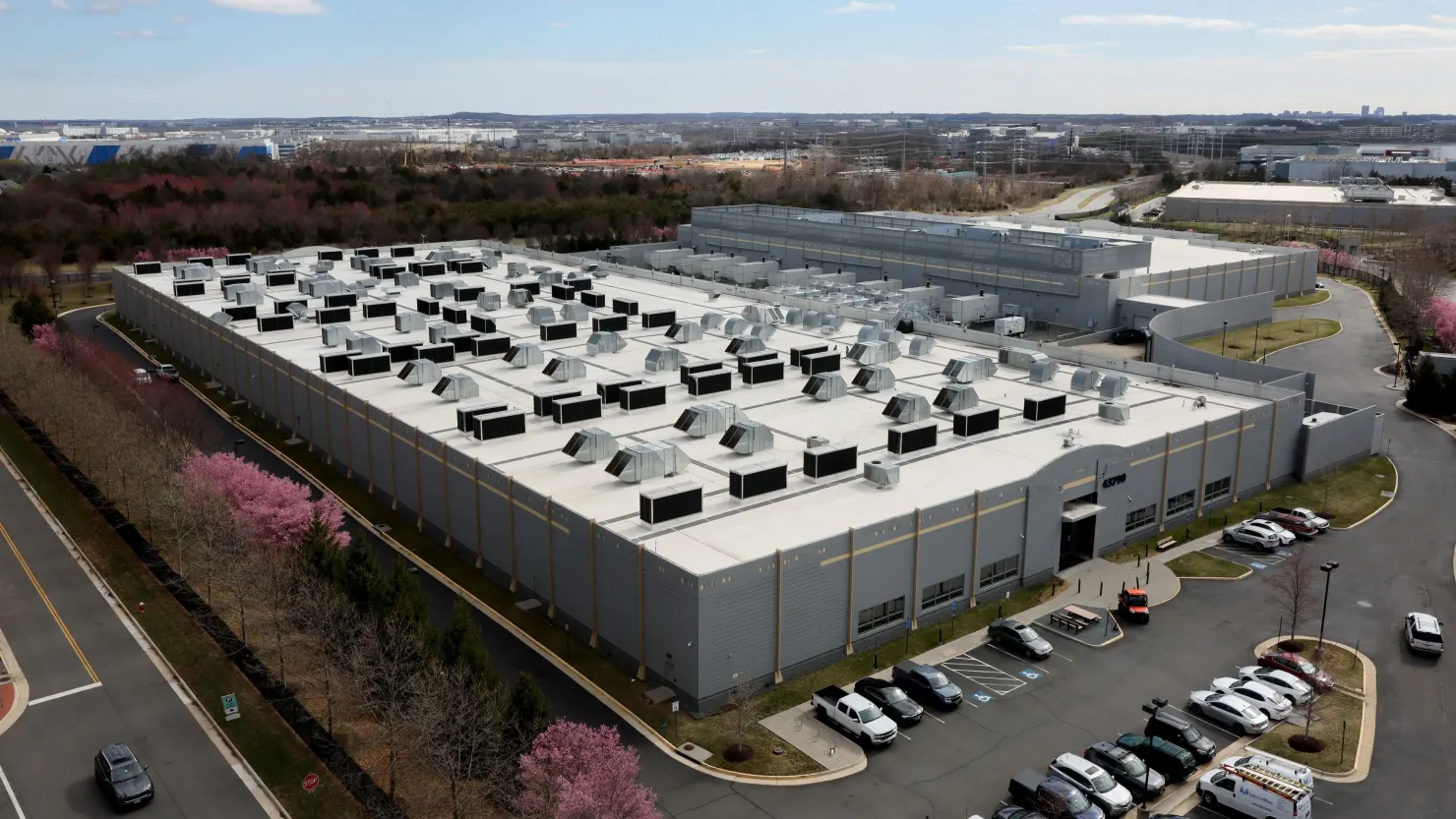
The surge in hedging reflects the enormous scale of expected AI investment. Industry estimates suggest that more than $3 trillion could be spent globally on AI-related infrastructure in the coming years — much of it financed through debt. Even the world’s richest technology firms are steadily increasing leverage as they fund data centers, chips, and cloud expansion.
Gregory Peters, co-chief investment officer at PGIM Fixed Income, said the magnitude of hyperscaler borrowing is prompting investors to rethink their exposure. Broad credit index products may not provide sufficient protection, he argued, as they dilute risk across sectors rather than targeting specific companies driving the AI buildout.
Market participation has widened quickly. By the end of 2025, six dealers were quoting CDS on Alphabet, compared with just one the previous summer. For Amazon.com Inc., the number of quoting dealers rose from three to five. Some providers have even introduced CDS “baskets” focused specifically on hyperscalers, echoing the growing number of bond portfolios built around the same group.
Trading volumes began climbing sharply last fall as scrutiny intensified over how much debt these firms would need to fund AI expansion. Dealers now report being able to quote trades ranging from $20 million to $50 million in names that barely traded a year earlier.
Despite the rising hedging activity, investor appetite for the companies’ bonds remains strong. Alphabet’s recent $32 billion multi-currency debt offering was heavily oversubscribed within 24 hours. The company even placed 100-year bonds — a striking vote of confidence in an industry known for rapid technological disruption.
For now, hyperscalers can borrow with relative ease. But the rapid growth of single-name CDS trading signals that investors are preparing for a scenario in which the AI boom tests even the strongest balance sheets.