
The recent remarks from Marco Rubio, the American Secretary of State, dismissing concerns over the increasing military campaign against “narco-terrorists”, have stirred global anxiety. “We have deployed US assets and interests all over the planet, but when we do it in our own hemisphere… everyone sort of freaks out,” Rubio stated, addressing the growing apprehension.
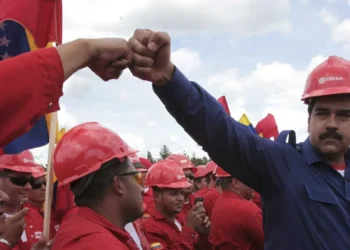
Since September, American forces have launched repeated strikes against alleged drug-running boats. The military activity in the region has escalated with the US amassing a formidable naval force in the Caribbean, and raising the possibility of bombing Venezuela. The thinly-veiled objective of this operation appears to be the overthrow of Venezuela’s incumbent leader, Nicolás Maduro.
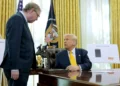
When asked about the fate of Maduro’s regime, President Donald Trump was far from ambiguous. In an interview with CBS News, he stated, “I would say yeah. I think so, yeah,” suggesting that Maduro’s days in power may be numbered.
This display of military might and overt threats has drawn international attention and concern, as the world watches the unfolding situation in Venezuela. The use of force against the so-called ‘narco-terrorists’ and the potential destabilization of the Venezuelan government has sparked debate over the appropriateness and implications of such an aggressive foreign policy approach.
The international community will undoubtedly keep a close eye on the developments in the region, as the consequences of these actions could have far-reaching effects on global security and the balance of power in the hemisphere.