Effective wire recycling hinges on more than selecting a single machine. Throughput and product quality are shaped by how the line is designed, the mix of materials fed into it, and how upstream and downstream equipment interact.
Power alone is not enough: why horsepower isn’t a reliable throughput predictor
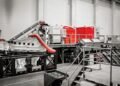
Industry practice shows that a chopping line typically comprises multiple high-horsepower units for size reduction along with smaller motors for conveyors and support equipment. The total installed horsepower does not reliably indicate overall performance. Throughput depends on how well each element is balanced and on the operating parameters of rotors, knives, and screens in pre-choppers and granulators. Downstream components such as density separators and air conveyors can become bottlenecks if they are not matched to the upstream flow.
Aligning upstream and downstream equipment for real-world performance
When the line and its components are not matched, the system can only perform as fast as the slowest link. This leads to bottlenecks, higher wear, and inconsistent output. Prospective buyers should observe existing installations under real operating conditions and check component capacities. Monitoring electrical load helps identify the limiter, a value that may change with the material profile.
Demonstration testing adds another layer of assurance. The supplier’s testing facility can accept sample feed and verify how a proposed design handles balance, throughput, and copper quality before commitment.
Material mix shapes performance and informs design choices
The feedstock composition is a primary determinant of line behavior. High-grade wire behaves very differently from harness wire or contaminated scrap, and a system designed for a broad mix must accommodate these differences. Designing around worst-case scenarios reduces risk, since high-grade material tends to move more quickly and at lower cost, while lower-grade material still requires efficient handling.
Flexibility is essential. Some inputs may need extra processing and separation steps; others can pass through with fewer operations to lower costs. A configurable line that adapts to input streams can maintain efficiency without sacrificing product quality.
Planning for scalability from the start
Many first-time buyers assume a chopping line is a single fixed unit. In practice, operations with meaningful volumes benefit from a custom solution built around the material profile. Providing detailed information about material types, cable sizes, and whether reels or spools are processed helps engineers optimize return on investment. Since feedstock varies over time, scalability should be built into the design, preserving space and infrastructure to add capacity later. Early collaboration enables growth without major equipment replacement, giving processors a competitive edge when markets shift.
What buyers should focus on
- Line balance matters: throughput depends on the interaction of all components, not on horsepower alone.
- Feedstock variability should drive design choices and optional steps.
- Proof of performance through demonstrations and site visits helps validate the plan.
- Future growth should be a design criterion to minimize downtime and avoid costly upgrades.