The Trump administration has publicly outlined a series of demands Canada must meet to secure a long-term extension of the Canada–U.S.–Mexico Agreement (CUSMA), with U.S. officials singling out Canadian dairy policy, liquor distribution rules and digital regulation as key sticking points.
U.S. Trade Representative Jamieson Greer told members of Congress on Wednesday that while CUSMA has delivered benefits for American exporters, it falls short of what President Donald Trump would consider a clear success. The comments, released after a closed-door briefing on Capitol Hill, offer the clearest picture yet of what Washington expects Prime Minister Mark Carney to address ahead of the pact’s mandatory review next year.
“I don’t think we can say that USMCA is an unqualified success,” Greer said, using the agreement’s U.S. name. While U.S. exports to Canada and Mexico have risen 56% since 2020, he argued the deal should not be automatically renewed for another 16 years without changes.
Instead, Greer said his office would recommend renewal only if outstanding issues are resolved — otherwise leaving open the possibility of reverting to annual reviews, an outcome Canada has warned would inject damaging uncertainty into cross-border trade.
Dairy and digital rules in the spotlight
Among the most prominent U.S. demands is greater access to Canada’s tightly controlled dairy market. Greer accused Canada of maintaining policies that “unfairly restrict market access” for American producers and pointed to concerns about Canadian exports of certain dairy ingredients allegedly undercutting U.S. suppliers.
While Greer stopped short of calling for the elimination of supply management — a red line for successive Canadian governments — he made clear Washington expects changes.
The U.S. is also pushing Canada to revise its Online Streaming Act, which extends Canadian broadcasting rules to platforms such as Netflix, Spotify and YouTube. Greer said the law discriminates against U.S. technology and media companies, though he did not specify what amendments Washington would accept.
Canada has argued the legislation is necessary to ensure global platforms contribute to domestic content production as traditional broadcasters lose audiences.
Liquor bans and trade retaliation
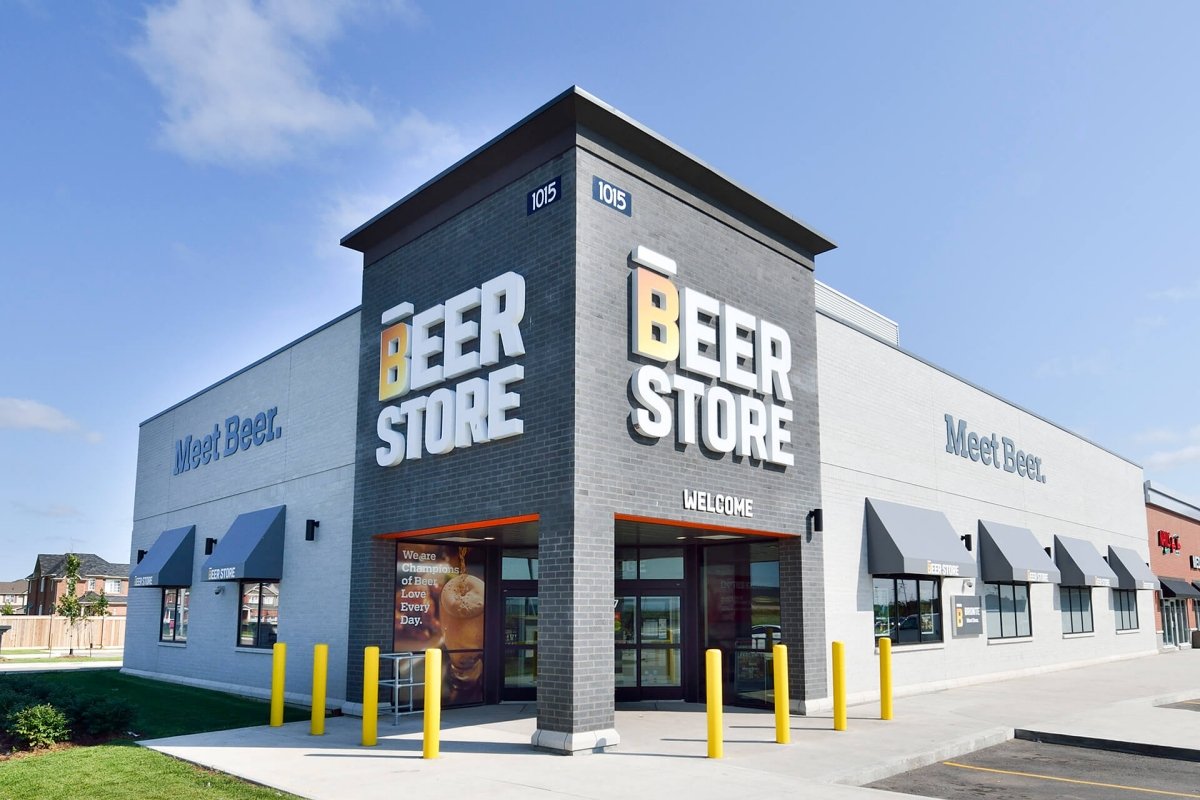
Greer also criticized provincial restrictions on U.S. alcohol sales, imposed in response to Trump’s tariffs on Canadian steel, aluminum, autos and lumber. The bans have had a significant commercial impact, with U.S. spirits producer Brown-Forman reporting a more than 60% drop in Canadian sales.
U.S. Ambassador to Canada Pete Hoekstra has previously cited the liquor boycotts — along with falling Canadian tourism to the U.S. — as evidence of worsening bilateral relations. Ontario Premier Doug Ford has said U.S. brands will remain off LCBO shelves until tariffs are lifted or a new trade deal is reached.
Greer’s remarks did not address whether the U.S. would remove the so-called Section 232 tariffs, talks on which stalled earlier this year.
Broader list of grievances
Beyond dairy, alcohol and digital policy, Greer said Washington wants Canada to address what it calls discriminatory procurement practices in Ontario, Quebec and British Columbia, as well as complex customs requirements affecting U.S. exporters.
He also flagged concerns over Alberta’s treatment of U.S. electricity providers in Montana and pointed to unresolved regulatory disputes affecting lobster fishing in the contested “grey zone” between New Brunswick and Maine.
Extension still likely — with changes
Despite the sharp tone, Greer acknowledged that most business and labour groups across North America support extending CUSMA in some form. Many, he said, favour renewal — but also want improvements.
Greer left open the possibility of separate bilateral agreements with Canada and Mexico, though he said continental issues such as rules of origin, critical minerals and economic security are best handled through a trilateral framework.
For Canada, the coming review now appears less like a formality and more like a high-stakes negotiation over market access, regulation and political leverage — with dairy and beer shaping up as early flashpoints.